

Unlocking the Secrets to High-Performing Email Campaigns
When it comes to email marketing, the subject line is your first and often only chance to make an impression. You want to create a subject line that not only grabs attention but also entices the recipient to open the email. Think of it as the headline of a news article; it needs to be engaging and informative.
A well-crafted subject line can significantly increase your open rates, so consider using action-oriented language, posing intriguing questions, or even incorporating a sense of urgency. For instance, phrases like “Last Chance” or “Exclusive Offer Inside” can create a fear of missing out, prompting recipients to click. Moreover, you should keep in mind the importance of brevity.
With many people checking their emails on mobile devices, long subject lines may get cut off, losing their impact. Aim for around 50 characters or less to ensure your message is clear and concise. Additionally, consider A/B testing different subject lines to see which resonates best with your audience.
This not only helps you refine your approach but also provides valuable insights into what your subscribers find appealing.
This is an advertisement.
Key Takeaways
- Craft subject lines that are clear, concise, and compelling to grab the reader’s attention
- Understand your audience’s preferences, behaviors, and demographics to tailor your content effectively
- Personalize your emails with the recipient’s name, past interactions, and relevant recommendations
- Design mobile-friendly emails with responsive layouts and concise content for easy readability on all devices
- Test and analyze email performance regularly to optimize open rates, click-through rates, and conversions
- Build a strong call-to-action that is clear, persuasive, and relevant to encourage reader engagement
- Utilize segmentation and automation to send targeted emails based on subscriber behavior and preferences
- Maintain a consistent sending schedule to keep your audience engaged and build trust with regular communication
Understanding Your Audience
To effectively engage your audience, you must first understand who they are. This involves gathering data on their preferences, behaviors, and demographics. By analyzing this information, you can tailor your content to meet their specific needs and interests.
For example, if you notice that a segment of your audience frequently engages with content related to fitness, you can create targeted emails that focus on health tips, workout routines, or exclusive offers on fitness products. This level of personalization can significantly enhance engagement and conversion rates. Additionally, consider the different stages of the customer journey when crafting your emails.
New subscribers may require introductory content that educates them about your brand, while loyal customers might appreciate exclusive deals or sneak peeks of upcoming products. By segmenting your audience based on their interactions with your brand, you can deliver more relevant content that resonates with them on a personal level. This understanding not only fosters a stronger connection but also encourages long-term loyalty.
Personalizing Your Content

Personalization goes beyond simply addressing your subscribers by their first names; it involves creating content that speaks directly to their interests and needs. You can achieve this by utilizing the data you’ve gathered about your audience. For instance, if a subscriber has shown interest in a particular product category, you can send them tailored recommendations or exclusive offers related to that category.
This approach not only makes your emails more relevant but also increases the likelihood of conversions. Furthermore, consider implementing dynamic content within your emails. This allows you to display different content blocks based on the recipient’s preferences or behaviors.
For example, if you have a subscriber who frequently purchases eco-friendly products, you can showcase those items prominently in their emails while offering other subscribers different options. By delivering personalized experiences, you create a sense of value for your subscribers, making them more likely to engage with your brand.
Designing Mobile-Friendly Emails
In today’s digital landscape, mobile devices have become the primary means through which people access their emails. Therefore, ensuring that your emails are mobile-friendly is crucial for maximizing engagement. Start by using responsive design techniques that allow your emails to adapt seamlessly to various screen sizes.
This means that whether your subscribers are viewing your email on a smartphone or a tablet, they will have a consistent and enjoyable experience. Additionally, pay attention to the layout and formatting of your emails. Use larger fonts and buttons that are easy to tap on smaller screens.
Avoid cluttering your emails with excessive images or text; instead, focus on clear and concise messaging that guides the reader’s eye. Remember that mobile users often skim through content quickly, so make sure your key points stand out. By prioritizing mobile optimization, you ensure that your emails are accessible and engaging for all recipients.
Testing and Analyzing Performance
To continuously improve your email marketing strategy, it’s essential to test and analyze the performance of your campaigns regularly. Start by conducting A/B tests on various elements of your emails, such as subject lines, content layout, and call-to-action buttons. By comparing the results of different versions, you can identify what resonates best with your audience and refine your approach accordingly.
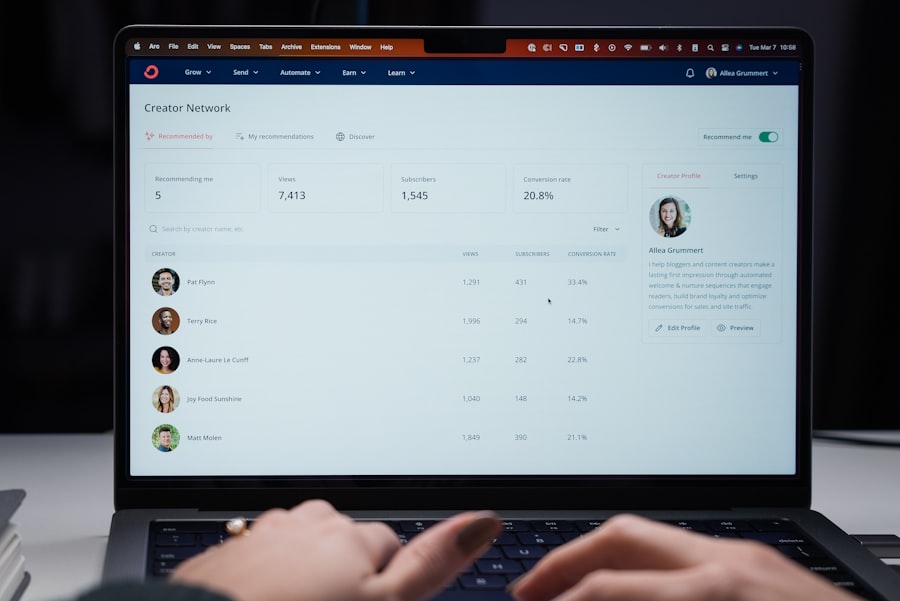
In addition to A/B testing, utilize analytics tools to track key performance metrics such as open rates, click-through rates, and conversion rates. These insights will help you understand how well your emails are performing and where there may be room for improvement. For instance, if you notice a low open rate for a particular campaign, it may indicate that your subject line needs adjustment or that the timing of your send was not optimal.
By consistently analyzing performance data, you can make informed decisions that enhance the effectiveness of your email marketing efforts.
Building a Strong Call-to-Action
Introduction to Compelling Call-to-Actions
A compelling call-to-action (CTA) is crucial for guiding your subscribers toward the desired action you want them to take. Whether it’s making a purchase, signing up for an event, or downloading a resource, your CTA should be clear and persuasive. Use action-oriented language that encourages immediate engagement; phrases like “Shop Now,” “Get Your Free Trial,” or “Join Us Today” can create a sense of urgency and motivate recipients to act.
Optimizing CTA Placement and Design
Moreover, consider the placement and design of your CTA within the email. It should be prominently displayed and easily accessible without requiring excessive scrolling. Using contrasting colors or buttons can help draw attention to the CTA and make it stand out from the rest of the content.
Aligning CTAs with Email Content
Additionally, ensure that the CTA aligns with the overall message of the email; it should feel like a natural progression rather than an afterthought. By crafting strong CTAs, you can significantly increase engagement and drive conversions.
Best Practices for Effective CTAs
By following these guidelines, you can create effective CTAs that drive results and help achieve your email marketing goals. Remember to keep your CTAs clear, concise, and actionable, and to continually test and optimize them to improve performance.
Utilizing Segmentation and Automation
Segmentation is a powerful tool in email marketing that allows you to divide your audience into smaller groups based on specific criteria such as demographics, purchase history, or engagement levels. By segmenting your list, you can send targeted messages that resonate more deeply with each group. For example, if you have a segment of subscribers who frequently purchase from a particular category, you can send them tailored promotions or product recommendations that align with their interests.
Automation further enhances this strategy by allowing you to send timely and relevant messages without manual intervention. For instance, you can set up automated welcome emails for new subscribers or follow-up emails for customers who have abandoned their shopping carts. This not only saves you time but also ensures that your audience receives consistent communication at critical moments in their journey.
By leveraging segmentation and automation together, you create a more personalized experience that fosters engagement and drives conversions.
Maintaining a Consistent Sending Schedule
This is an advertisement.
Establishing a consistent sending schedule is vital for building trust and familiarity with your audience. When subscribers know when to expect your emails—whether it’s weekly newsletters or monthly promotions—they are more likely to engage with your content regularly. Consistency helps reinforce brand recognition and keeps your business top-of-mind for potential customers.
However, it’s essential to strike a balance between frequency and quality. Sending too many emails can lead to subscriber fatigue and increased unsubscribe rates, while infrequent communication may cause recipients to forget about your brand altogether. Monitor engagement metrics closely to determine the optimal sending frequency for your audience.
By maintaining a consistent schedule while delivering valuable content, you can cultivate lasting relationships with your subscribers and drive long-term success in your email marketing efforts.
FAQs
What are high-performing email campaigns?
High-performing email campaigns are email marketing efforts that consistently achieve above-average open rates, click-through rates, and conversion rates. These campaigns are effective at engaging recipients and driving desired actions, such as making a purchase or signing up for a service.
What are the key components of a high-performing email campaign?
Key components of a high-performing email campaign include compelling subject lines, personalized content, clear call-to-action buttons, mobile responsiveness, and strategic timing. These elements work together to capture recipients’ attention, provide value, and encourage them to take action.
How can I improve the performance of my email campaigns?
To improve the performance of your email campaigns, you can focus on optimizing your subject lines, segmenting your email list, personalizing your content, testing different elements (such as images and CTAs), and analyzing your campaign data to make informed adjustments.
What role does data analysis play in high-performing email campaigns?
Data analysis is crucial for high-performing email campaigns as it provides insights into recipient behavior, engagement metrics, and campaign performance. By analyzing data, marketers can identify trends, understand what resonates with their audience, and make data-driven decisions to optimize future campaigns.
How can I measure the success of my email campaigns?
You can measure the success of your email campaigns by tracking metrics such as open rates, click-through rates, conversion rates, unsubscribe rates, and revenue generated. Additionally, you can use A/B testing to compare different campaign elements and determine which variations perform best.