
Using Data Analytics to Continuously Improve Campaign
Data analytics has become a key component for improving campaign performance in the constantly changing field of marketing. I find it fascinating how data analytics turns raw data into actionable insights that can greatly increase the efficacy of marketing campaigns as I learn more about its complexities. My capacity to evaluate enormous volumes of data enables me to customize tactics, make well-informed decisions, and eventually produce better outcomes.
Key Takeaways
- Data analytics plays a crucial role in improving campaign performance by providing valuable insights and actionable information.
- Collecting and analyzing data from various sources is essential for understanding campaign performance and identifying areas for improvement.
- Identifying key metrics and KPIs allows for effective evaluation of campaign success and helps in making data-driven decisions.
- Utilizing data insights can help in optimizing campaign strategies, targeting the right audience, and improving overall performance.
- Implementing A/B testing and experimentation allows for continuous improvement and helps in identifying the most effective campaign strategies.
Using data analytics to stay competitive is not an option in a world where customer preferences are changing quickly. Having a compass in unfamiliar territory is similar to incorporating data analytics into campaign enhancement. It helps me navigate the intricacies of market trends, consumer behavior, and campaign performance metrics.
I can determine what works and what doesn’t by using data to my advantage, which allows me to continuously improve my strategy. From data collection and analysis to using predictive analytics and customer feedback, this article will examine the many aspects of data analytics in campaign improvement. I will learn how to effectively use these tools to improve my marketing efforts in each section. Gathering pertinent data is the first step in utilizing data analytics’ power. Identifying the sources from which I can obtain information is usually my first step.
These sources can include email marketing tools, customer relationship management (CRM) systems, social media platforms, & website analytics. Unique insights from each source add to a thorough comprehension of campaign performance. By methodically gathering information, I can build a solid basis for analysis. The next step is to analyze the data I have collected in order to derive valuable insights.
This is an advertisement.
A sharp eye for detail and knowledge of different analytical methods are necessary for this process. In order to comprehend previous performance trends, I frequently use descriptive analytics to compile historical data. Also, I use diagnostic analytics to pinpoint the causes of particular results. By using a dual approach, I am able to see what happened & comprehend why, which helps me make well-informed decisions for campaigns in the future.
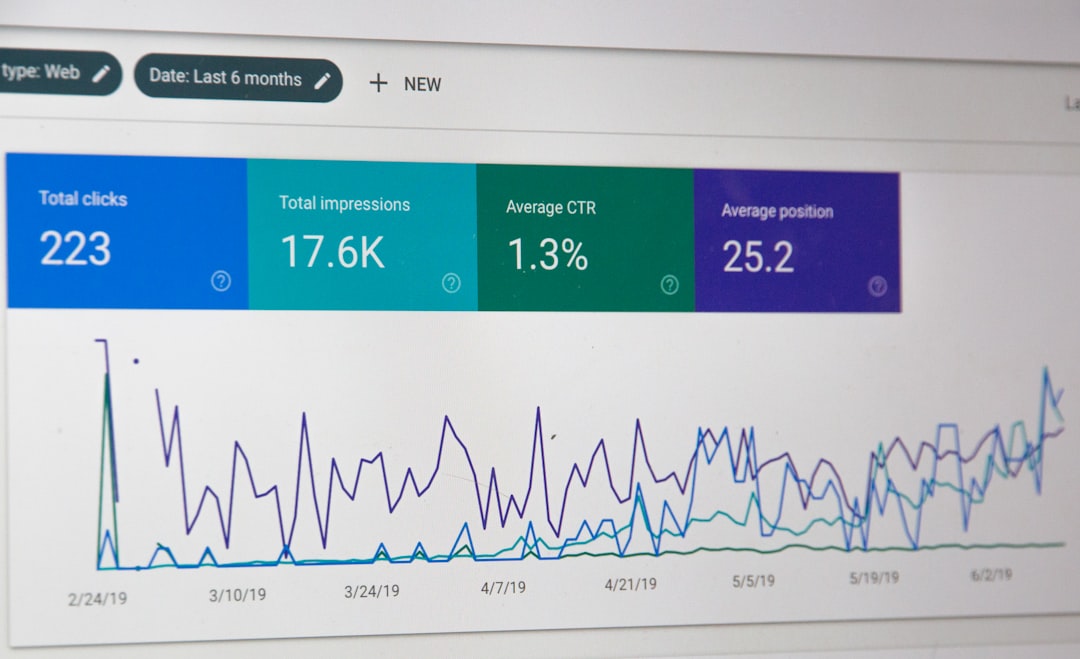
Finding important metrics and key performance indicators (KPIs) is essential to assessing the success of campaigns in my experience with data analytics. These metrics help me gauge my progress toward my objectives and act as benchmarks that direct my analysis. For example, I frequently pay attention to metrics like click-through rates, conversion rates, and customer acquisition expenses. These indicators all offer insightful information about various facets of campaign performance.
Also, I understand that different metrics have different degrees of relevance to particular campaigns. As a result, I take the time to match the overall goals of each campaign with the KPIs I have selected. For instance, I might give reach and impressions a higher priority than conversion rates if my objective is brand awareness.
I can make sure that my evaluation procedure is thorough and in line with my strategic objectives by carefully choosing and keeping an eye on these important metrics. I can now use data insights to effectively optimize my campaign strategies because I have a firm grasp of the important metrics in place. The real magic happens at this point; it involves converting unprocessed data into workable plans that produce outcomes. I can adjust my campaigns, for example, if my research shows that a certain audience segment reacts favorably to a given message or channel.
This focused strategy optimizes return on investment while also increasing engagement. I also discover that using data insights enables me to test out various tactics in real time. I can make quick changes to keep my campaigns flexible and responsive to shifting circumstances by keeping a careful eye on performance. Because customer preferences can change quickly in today’s fast-paced marketing environment, this iterative optimization process is crucial.
I can remain ahead of the curve & create campaigns that connect with my audience by consistently improving my tactics based on data insights. My toolkit for consistently enhancing campaign performance now includes A/B testing. This technique compares two iterations of a campaign element, like the design of a landing page or the subject line of an email, to see which one works best. A/B testing allows me to collect empirical data about what appeals to my audience & use that information to inform my data-driven decisions. The simplicity and efficacy of A/B testing are what make it so lovely.
It lets me try different things without having to completely redo a campaign. I can make two copies of the same email and send them to different audience segments, for instance, if I’m not sure if a call-to-action button should be red or green. The findings will show me which color generates the most clicks, giving me precise direction for upcoming campaigns.
A mindset of constant improvement is fostered by this experimental culture, which guarantees that I am constantly aiming for better outcomes. Predictive analytics is essential to the development of my strategies as I consider upcoming campaigns. Predictive analytics helps me to more accurately predict future events by examining past data and finding trends. I can better allocate resources & modify my campaigns to satisfy expected customer needs thanks to this foresight.
For instance, I can proactively modify my marketing efforts to take advantage of a spike in demand for a specific product during a given season if predictive analytics shows this to be the case. In addition to increasing the efficacy of my campaigns, this proactive approach establishes me as a responsive marketer who is aware of the dynamics at work in the market. Making educated decisions that lead to future campaign success is possible for me if I incorporate predictive analytics into my planning process. To obtain a comprehensive picture of campaign performance, my data analytics framework must include sentiment analysis and customer feedback in addition to quantitative data.
Qualitative insights from customer feedback are priceless and cannot be obtained solely through quantitative measures. I can gain a better understanding of how my audience views my campaigns by aggressively seeking feedback through surveys, social media interactions, and reviews. By examining customer sentiments as they are expressed in their feedback, sentiment analysis enhances this understanding even more.
I can determine if consumer opinions about particular elements of my campaigns are favorable, unfavorable, or neutral by using natural language processing techniques. I can pinpoint areas for development using this analysis, and I can modify my approach accordingly. In the end, I can build stronger relationships with my audience and increase the efficacy of my campaigns by appreciating sentiment analysis and customer feedback. In order to show the worth of my work, it is imperative that I measure & report on the effects of data-driven improvements. It is crucial to monitor the results & determine whether the modifications made in response to data insights have resulted in noticeable enhancements in campaign performance.
The key metrics and KPIs that were previously established are reviewed as part of this measurement process, and their historical development is examined. In addition to assisting me in assessing the success of my tactics, sharing these results with stakeholders and team members offers insightful information. I can encourage an environment of accountability and ongoing learning in my company by providing succinct, straightforward reports that highlight accomplishments & potential areas for development. Finally, assessing and documenting the results of data-driven enhancements reaffirms how crucial data analytics are to the success of marketing initiatives.
To sum up, adopting data analytics for campaign enhancement has changed the way I think about marketing tactics. In order to improve campaign performance, every stage—from gathering & evaluating data to using predictive analytics and integrating user feedback—is essential. I’m still dedicated to using data-driven insights to maximize my efforts & provide my audience with outstanding outcomes as I continue to traverse this ever-changing terrain.
This is an advertisement.
FAQs
What is data analytics?
Data analytics is the process of analyzing raw data in order to make conclusions about that information. It involves the application of statistical analysis and other mathematical techniques to understand and interpret patterns and trends within the data.
How can data analytics be used to improve campaigns?
Data analytics can be used to improve campaigns by providing insights into customer behavior, preferences, and trends. By analyzing data from previous campaigns, businesses can identify what worked well and what didn’t, and use that information to optimize future campaigns for better results.
What are the benefits of using data analytics to improve campaigns?
Some benefits of using data analytics to improve campaigns include better targeting of the right audience, increased return on investment, and the ability to make data-driven decisions. It also allows for continuous improvement and optimization of campaigns based on real-time data.
What are some common tools and techniques used in data analytics for campaign improvement?
Common tools and techniques used in data analytics for campaign improvement include data mining, predictive analytics, A/B testing, and customer segmentation. These tools and techniques help businesses to gain valuable insights from their data and make informed decisions to improve their campaigns.
How can businesses implement data analytics for continuous campaign improvement?
Businesses can implement data analytics for continuous campaign improvement by setting up systems to collect and analyze data from various sources such as website analytics, social media metrics, and customer feedback. They can then use this data to measure the effectiveness of their campaigns and make adjustments as needed for ongoing improvement.